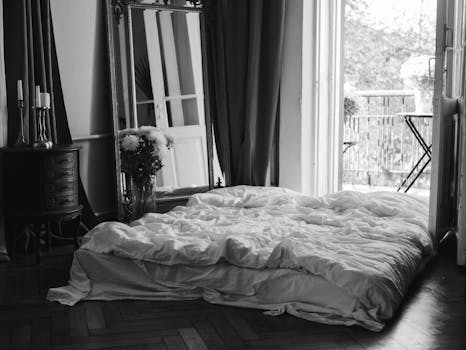

Did you know that the enduring appeal of vintage room design isn’t just about nostalgia? It’s a sophisticated approach to interior decorating that taps into our innate appreciation for craftsmanship, history, and individuality. In a world saturated with fleeting trends, embracing vintage elements offers a refreshing pathway to creating spaces that feel authentic, meaningful, and deeply personal. But what truly distinguishes this style, and how can we thoughtfully integrate it without creating a cluttered museum? Let’s dive in and explore the fascinating layers of vintage room design.
What Exactly Is Vintage Room Design? A Matter of Interpretation
The term “vintage” itself can be a bit slippery, can’t it? Generally, it refers to items that are at least 20 years old but less than 100. In interior design, this translates to furniture, decor, and architectural details that hail from specific eras – think mid-century modern, Art Deco, or even the more romantic Victorian period. However, vintage room design isn’t merely about collecting old things; it’s about a curated selection that evokes a sense of history and character. It’s about storytelling through your surroundings.
It’s crucial to distinguish this from “antique,” which typically denotes items over 100 years old and often carries a higher price tag and more specific restoration considerations. Vintage room design allows for a broader spectrum, offering more accessibility and flexibility for the modern decorator. The key is a discerning eye, a respect for quality, and an understanding of how these pieces can coexist harmoniously.
The Foundation: Understanding Eras and Aesthetics
Before you start scouring flea markets, it’s helpful to have a basic understanding of different design eras. Each period boasts distinct characteristics that can inform your choices.
Mid-Century Modern (roughly 1945-1965): Characterized by clean lines, organic shapes, and a blend of functionality and form. Think iconic Eames chairs or Sputnik chandeliers.
Art Deco (roughly 1920s-1930s): Known for its opulence, geometric patterns, bold colors, and luxurious materials like lacquer and chrome.
Shabby Chic (emerged in the 1980s, inspired by French country style): Features distressed furniture, soft pastel colors, floral patterns, and a relaxed, comfortable vibe.
Bohemian (evolved over decades, but popular in the 1960s/70s): Embraces eclectic mixes, vibrant colors, global influences, and a free-spirited, layered look.
When considering vintage room design, you don’t have to commit to a single era. Mixing elements from different periods can create a more dynamic and uniquely personal space. The trick lies in finding common threads – perhaps a color palette, a material, or a general silhouette – to tie disparate pieces together.
Curating with Intention: More Than Just Accumulation
This is where the real artistry of vintage room design comes into play. It’s not about filling your home with every old item you find; it’s about thoughtful selection and strategic placement.
#### Choosing Your Anchor Piece
Often, a single significant vintage item can serve as the focal point of a room. This could be a beautiful antique dresser, a statement armchair, or a vintage rug. Once you have your anchor, you can begin to build around it, selecting complementary pieces that enhance its charm without overpowering it. I’ve often found that starting with one truly loved piece makes all subsequent decisions feel much simpler.
#### The Power of Patina
One of the most appealing aspects of vintage items is their history, often visible in their patina. This subtle wear and tear tells a story and adds depth that new items simply can’t replicate. Don’t shy away from pieces with a bit of character; a slightly faded velvet, a worn leather, or a gently chipped ceramic can add immense warmth and authenticity. The goal isn’t perfection, but personality.
#### Balancing Old and New
A room composed entirely of vintage pieces can sometimes feel overwhelming or dated. The magic often happens when vintage elements are artfully blended with modern counterparts. A sleek, contemporary sofa can be softened by vintage throw pillows, or a modern art piece can add a striking contrast to a vintage credenza. This juxtaposition creates visual interest and ensures your space feels current, not costume-like.
Practical Considerations for Your Vintage Journey
Beyond aesthetics, there are practical aspects to consider when embarking on vintage room design.
#### Sourcing Your Treasures
The hunt is part of the fun!
Antiques shops and vintage stores: Offer a curated selection, though prices can vary.
Flea markets and estate sales: Can yield incredible finds at bargain prices, but require patience and a keen eye.
Online marketplaces: Platforms like Etsy, eBay, and local buy/sell groups provide vast options, but always try to see items in person if possible, or thoroughly vet sellers.
Inherited pieces: Don’t underestimate the sentimental value and potential beauty of items passed down through family.
#### Restoration vs. Preservation
When you find a piece you love, consider its condition. Does it need minor cosmetic touch-ups, or more significant repairs? Sometimes, preserving the original finish, even with its imperfections, is more desirable than a full restoration. It’s about making the piece functional and beautiful again, without erasing its history. This is a personal decision, and there’s no single “right” answer.
#### Integrating for Functionality
Vintage furniture isn’t just for show; it needs to function within your lifestyle. Ensure that the pieces you choose serve your practical needs. A beautiful vintage desk might be perfect for your home office, or a sturdy vintage dining table can become the heart of your family gatherings. Think about scale and proportion to ensure everything fits comfortably and works well.
Why Vintage Room Design Resonates So Deeply
In a world that often prioritizes the new and disposable, vintage room design offers an antidote. It’s an investment in quality and craftsmanship, often built to last decades longer than mass-produced items. It’s about conscious consumption, giving new life to old objects, and fostering a connection to the past.
Furthermore, vintage pieces often possess a unique character that mass-produced items lack. They carry the whispers of previous lives, adding a layer of soul and warmth to your home that’s truly irreplaceable. It’s a way of decorating that celebrates individuality, sustainability, and the enduring beauty of things made with care.
Wrapping Up: Cultivating a Timeless Sanctuary
Ultimately, vintage room design is an invitation to create a space that feels less like a showroom and more like a curated collection of beloved objects. It’s about the thrill of the hunt, the satisfaction of restoration, and the joy of surrounding yourself with items that tell a story. By approaching it with curiosity, intention, and a discerning eye, you can transform your home into a timeless sanctuary that reflects your unique personality and appreciation for the past. So, go forth, explore, and let the stories of vintage pieces enrich your own.